Beacons Beneath the Constellations

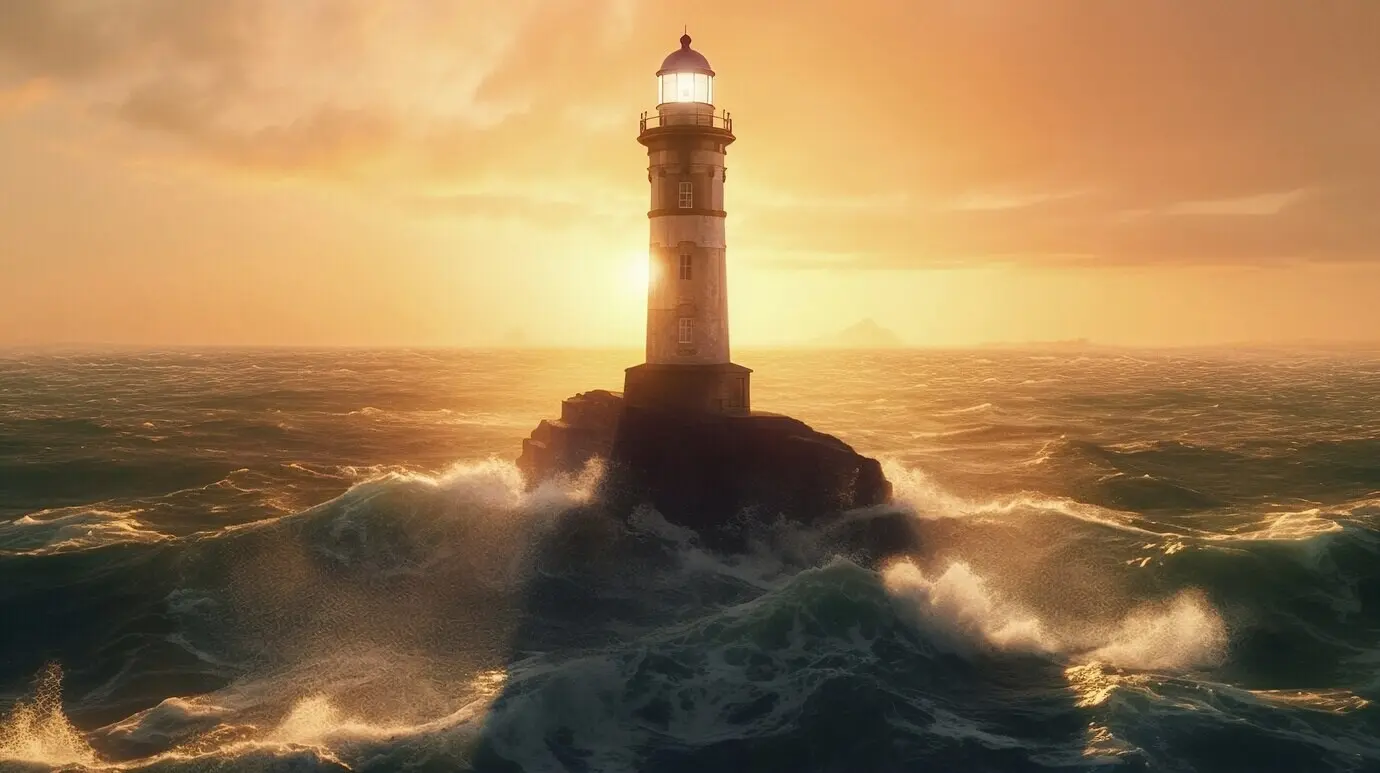
Today we journey through From Sextants to Telescopes: Celestial Navigation Heritage at Lighthouse Sites, celebrating how keepers, mariners, and instruments turned darkness into direction. We revisit brass sextants, trusted chronometers, patient telescopes, and the luminous towers that stitched bearings to hope, inviting you to share memories, questions, and sky-watching plans as we keep this living lineage bright.

Sextant practice at the keeper’s table
A well-tuned sextant began with careful index-error checks, polished mirrors, and steady hands warmed by tea. Keepers measured altitudes against a knife-edge horizon, applied dip and refraction, and logged results beside weather notes. Repetition created instinct: eye on the limb, shades adjusted, body rocking gently with swells remembered, confidence growing with every arc minute won from darkness and spray.

Chronometer care in salt and spray

The heartbeat of celestial work was a faithful chronometer, wound at the same hour, protected from shocks, and tracked for daily rate. Some stations compared time with harbor signals or later radio ticks, building rating tables with pencil and patience. Every second saved meant safer landfalls, tighter fixes, and a quiet pride that precision could be coaxed from brine, brass, and routine.

Catching local noon through the lantern glass

When the Sun reached its highest point, latitude revealed itself to those ready with sextant and almanac. Keepers braced against railings, chased the lower limb to its calmest dip, then froze the moment in ink. Noon sights felt like a truce with weather and workload, a bright calibration that steadied charts, bearings, and nerves before the long evening stars returned.

From pocket spyglasses to steady refractors

Early keepers peered through collapsible brass tubes to spot sails; later, fixed mounts and improved refractors steadied the view for finer reference stars and distant headlands. Each upgrade shortened doubts and lengthened certainty. Coated optics resisted salt, simple dew shields fought damp, and careful cloths dried lenses. Small improvements multiplied, turning quick glances into reliable identifications and occasional celestial checks between passing squalls.

Night watches against glare, fog, and fatigue

Telescopes lived beside a blazing beacon, so keepers shielded pupils from lens flare and tripped carefully between lantern glow and night vision. Fog bullied optics; rags, patience, and wind-borne luck restored clarity. Fatigue whispered mistakes, yet watch logs, shared routines, and warm mugs pushed back. Under Orion or Scorpius, the scope’s narrow circle promised bearings, stories, and the relief of recognizing a friend’s masthead light.

Almanacs, charts, and the quiet arithmetic of safety

Ink-streaked almanacs and dog-eared guides like Bowditch turned star names into numbers that welcomed weary crews toward harbor. Penciled lines crossed swells on small desks that slid and creaked. Corrections accumulated: dip, semi-diameter, parallax, refraction, watch error. Patience turned sums into certainty, while erased missteps taught humility. In these margins, mathematics felt like kindness, placing a vessel back into the world’s mapped embrace.

Stories from granite, wind, and foam

Every coast keeps its quiet epics, told in logbooks, chipped steps, and lantern soot. At exposed towers, keepers timed stars between sleet bursts, then hailed fishermen by name at dawn. In sheltered coves, families shared watch duty and biscuits. The constellations were as familiar as neighbors, and instruments became heirlooms, blending science with tenderness in places where stone and surf never stop speaking.

Eddystone: calculations between breakers and stars

Off a treacherous English reef, generations faced waves that erased comfort but not method. There, between hammering gusts, a sextant flashed at star heights, and ink dried slow in salt air. It was never romantic while happening—only necessary, disciplined, and brave. Later, in a kitchen warm with coal, the arithmetic felt almost gentle, a reconciliation between night fury and morning tea.

Fastnet: a narrow window of clear sky

On Ireland’s hard edge, fog can rule for days, making a ten-minute tear in cloud feel like a gift. A hurried sight, a checked chronometer, a plotted line—confidence blooms. Stories tell of keepers who learned patience better than anyone, knowing that heritage lives not in constant clarity but in the skill to use whatever little starlight chooses to arrive.

Cape Hatteras: cross-checks on the Graveyard coast

Sandbars shift like living creatures off the Outer Banks. Here, celestial fixes met local wisdom about shoals, currents, and rumor. A star line could confirm a hunch or challenge tradition. Keepers and captains negotiated between sky math and surf memory, proving that the safest course was rarely prideful, always practical, and built from conversations carried on salt-stiffened wind.

From starlight to signals: continuity through change
Radio beacons, LORAN, and satellites rose, yet the night sky never retired. Lighthouse staff learned new signals while keeping old skills alive, honoring redundancy as a virtue. When electronics failed, star pairs still waited. When electronics worked, celestial checks sharpened judgment. Heritage here means adding tools, not discarding ancestors, and valuing the humility that keeps curiosity and competence walking hand in hand.

Your coastal field notebook for stargazing

Pack a small notebook, red-light headlamp, and simple angle gauge for improvised altitude checks. Note wind, swell, and cloud types because navigation respects weather as much as numbers. Sketch horizon features, label bright stars, and estimate errors generously. Over time your pages will teach you more than any single night, making patience and curiosity your most dependable instruments beside the sea.

Listen for voices in logbooks and kitchens

Archives hold pencil marks where real decisions met real conditions. Read marginal notes about fog horns, watch changes, and sick children sleeping near warm stoves. Interview elders who remember lantern-room smells and the nervous hush before a storm. Their details illuminate the tables and formulas, reminding us that navigation is a people practice, carried in hands, laughter, worry, and grateful dawns.
Sanopiradexo
Privacy Overview

This website uses cookies so that we can provide you with the best user experience possible. Cookie information is stored in your browser and performs functions such as recognising you when you return to our website and helping our team to understand which sections of the website you find most interesting and useful.