
Shorelines After Sunset: Preserving Darkness, Honoring History
Reading the Coastline by Starlight
What Darkness Reveals about Place
Darkness reintroduces narrative layers that daylight flattens. Fisherfolk recall star paths used before electronic charts; elders point to familiar asterisms rising over headlands. When you can see faint stars, oral histories feel tangible, and children learn to read horizons without screens, sensing continuity between heritage stones, ocean rhythms, and cosmic cycles.
Measuring the Night You Want
Practical goals need numbers. Handheld Sky Quality Meters, all-sky cameras, and Bortle class estimates translate impressions into targets. Track zenith readings over months, note fog and humidity effects, overlay satellite radiance maps, and document vertical illuminance along trails. Honest baselines reduce debate, support permits, and guide lighting changes toward measurable, enduring outcomes.
When Visitors Meet the Milky Way
First-time viewers often gasp when the Milky Way arcs above surf. To earn that moment, path lights must stay low and warm, nearby businesses dim signage after hours, and groups move slowly. Guides help visitors adapt night vision, hush chatter, and savor meteors, bioluminescence, and the quiet architecture of darkness.
Wildlife First on the Night Shore
Turtles, Dunes, and Gentle Pathways
Seabirds and the Pull of False Horizons
Policies, Permits, and Partnerships

Visitors, Storytelling, and Night-Friendly Tourism
Guides Who Point with Red Beams
Astrophotography Without the Light Leaks
Membership that Funds the Dark
Fieldwork: From Audit to Celebration
Walk the Perimeter with a Notebook and Meter
Start at civil twilight and continue past astronomical darkness to witness transitions. Carry a Sky Quality Meter, lux meter, and camera. Note color, mounting height, and shielding of each luminaire. Photograph reflections on water, track human behavior, and mark opportunities where tiny adjustments would unlock huge experiential gains.
Pilot Nights and Iteration in Public
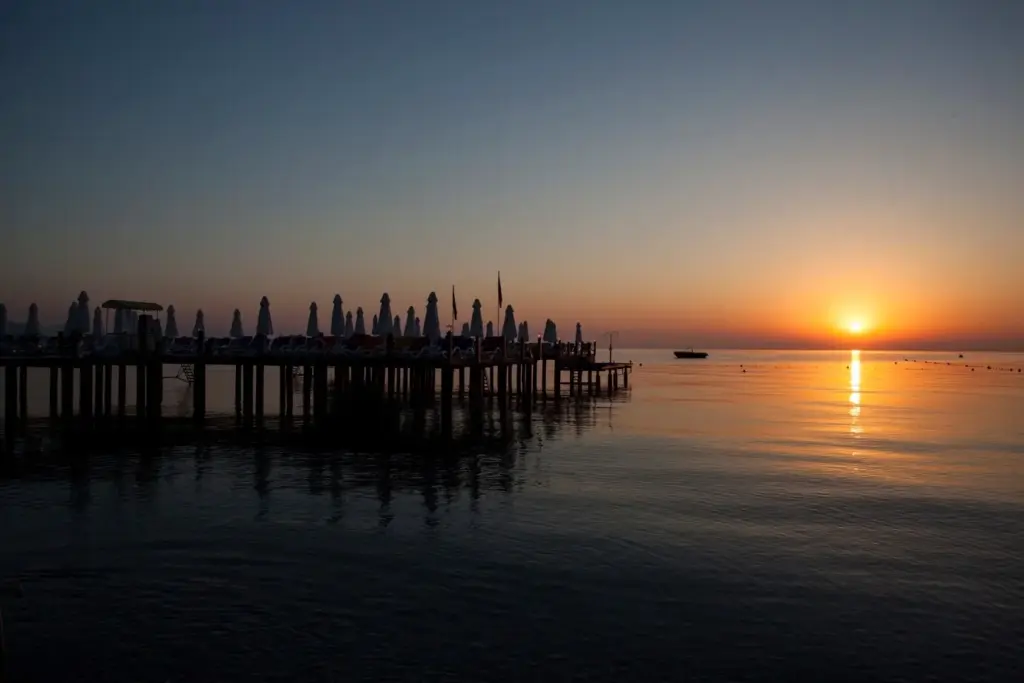
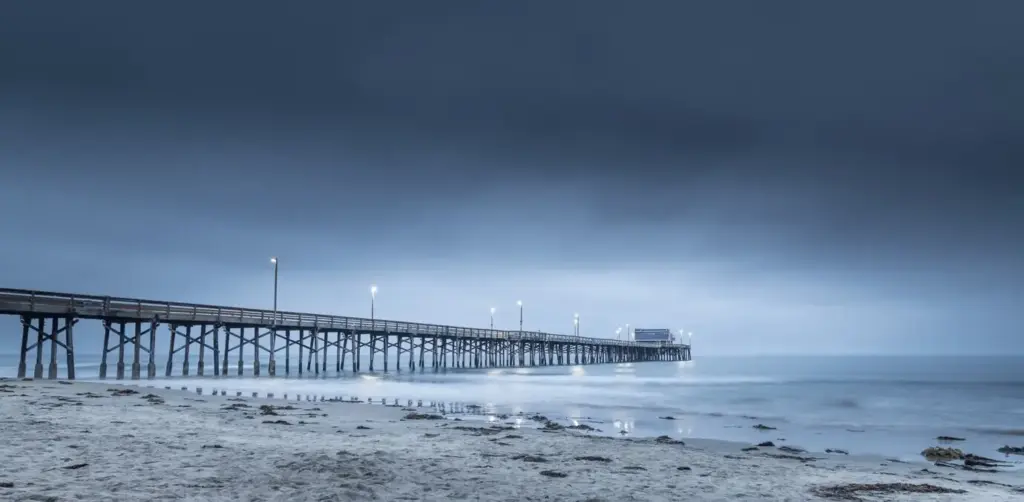
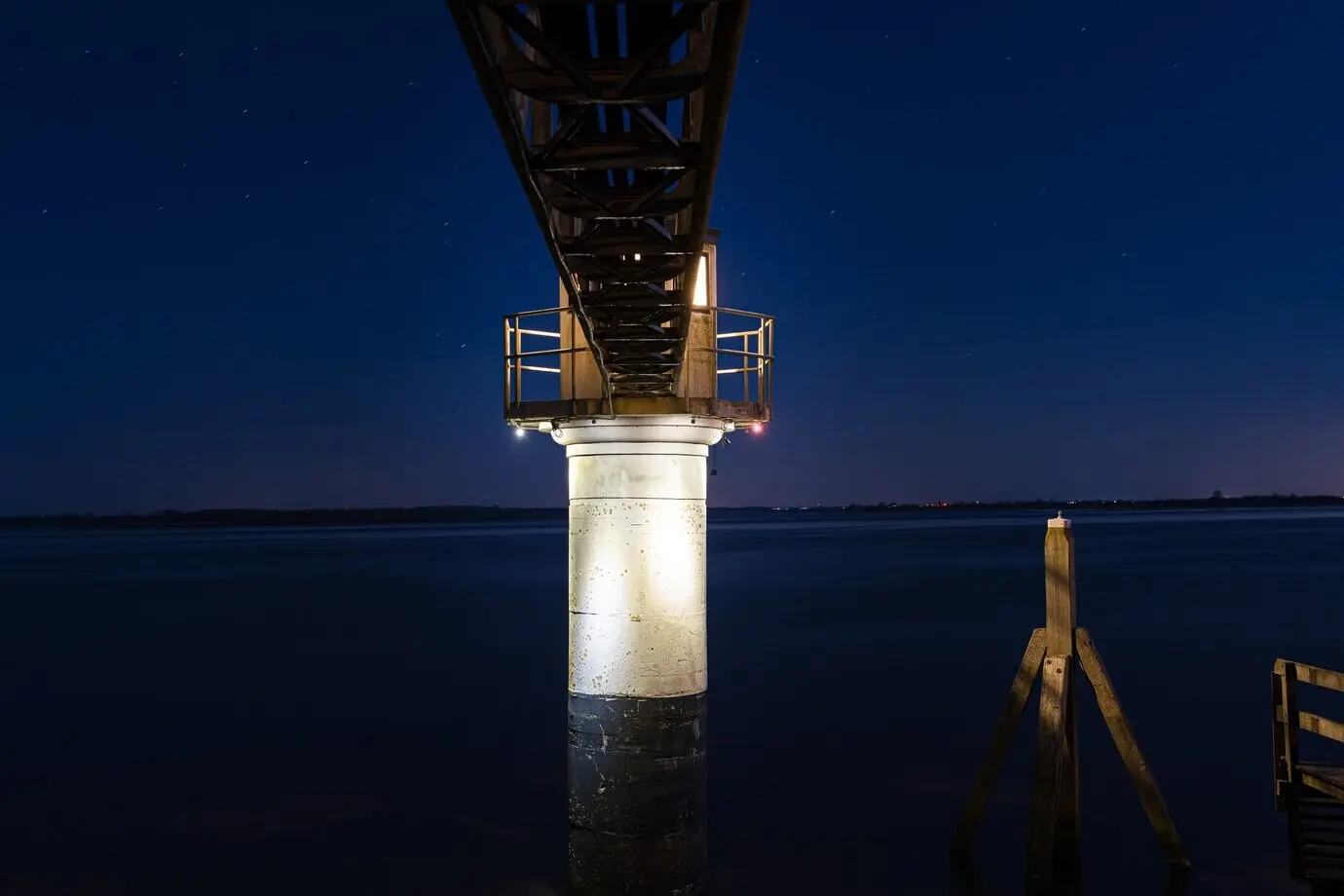
Temporary shields, revised schedules, and amber test kits turn arguments into evidence. Host open pilot nights, invite neighboring businesses, and record SQM improvements alongside visitor stories. Iterate weekly, keep data simple, and celebrate when constellations reappear over the pier, proving that smarter light beats brighter light every time.
All Rights Reserved.