After-Dusk Vigil at the Edge: Navigating Hazards with Confidence

This guide explores safety and access guidelines for night observers at cliffside light stations, translating coastal wisdom into clear, respectful practice. You will learn how to plan legal approaches, protect night vision, read hazardous micro-terrain, and coordinate check-ins that actually work. Expect practical gear advice and stories from keepers and volunteers who learned lessons the wet, windy way. Share questions, request clarifications, and pass along your own notes; every careful voice strengthens a safer, more welcoming shoreline community.

Arriving After Sunset: Safe Approach Routes
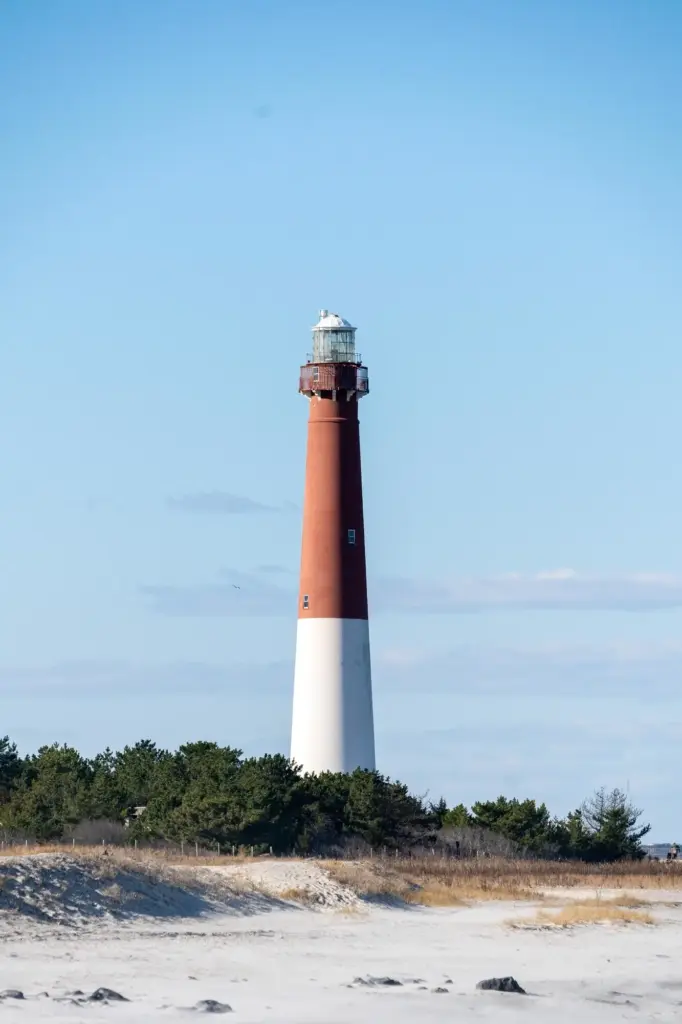
Cliff paths change with tides, storms, and maintenance cycles, so a safe approach after dark depends on planning that begins in daylight. Cross-reference official access notes, recent ranger posts, and local tide tables before choosing your window. Build in generous turnaround margins for unexpected fog or surge. Use conservative navigation tactics near blind switchbacks and eroded edges. Keep vehicle parking legal and unobtrusive, protecting emergency lanes and resident driveways. Your route should be reversible under worsening weather without heroic leaps or risky shortcuts.

Edge Awareness and Footing on Unstable Ground

Cliff edges erode invisibly from beneath, overhung by soil mats and sedge that appear dependable under red light. Keep body weight inland, backpack straps tightened low, and eyes sweeping for undercut fractures. Adopt three-point contact across uneven stone, and move deliberately, pausing when wind surges. Avoid walking right at the lip, even for a perfect sightline. Train your group in spacing that prevents chain reactions if someone slips. The goal is deliberate grace: quiet, measured steps that privilege stability over speed every single time.

Using Red Light Without Losing Depth Perception

Red light preserves dark adaptation, yet it can flatten texture and hide subtle gradients that guard your ankles and life. Angle beams steeply downward and slightly ahead, feathering brightness with diffuser film rather than brute force lumens. Pair a momentary neutral flash for tricky steps, shielding with your palm to prevent cliff-edge glare. Speak your movements aloud near others so they can anchor visually. Remember, controlled, narrow spill preserves both night vision and the star-scattered enchantment that drew you here in the first place.

Micro-terrain Checks with Trekking Poles

Trekking poles become tactile sensors at night, probing for voids beneath turf or loose talus disguised by lichen. Test each new surface before shifting weight, and listen: hollow sounds or sudden crumble warn of hidden breakaways. Shorten poles near steep grades to keep elbows locked and shoulders stable against gusts. Rubber tips protect fragile stone and reduce ricochet noise that disturbs wildlife. If a probe dislodges gravel toward the edge, stop, reassess spacing, and reroute inland. Small, investigative movements prevent big, irreversible mistakes.

Slip, Trip, and Fall Prevention Drills

Before you reach exposed ground, practice micro-pauses, toe-heel placement, and deliberate weight transfers on safe terrain. Rehearse a shared stop word that freezes the group instantly without debate. Keep shoelaces double-knotted and loose straps taped to avoid nocturnal snags. Rotate a lead walker who calls hazards clearly and repeats confirmations. If someone stumbles, do not crowd; maintain distance until footing is reestablished. The objective is composure under pressure, trained through repetition, so coordination holds when wind, fatigue, and awe tug attention away.

Operational Lighting and Night Vision Protection

Headlamps, Beam Control, and Hooded Shades

Choose headlamps with reliable low modes and tactile switches you can operate wearing gloves. Tilt beams downward; think footpath first, spectacle never. Add a brimmed cap or soft hood to block stray spill from your lenses, preventing reflective blowback. Mark buttons with textured tape so you avoid blasting companions by mistake. Carry a handheld with a diffuser for close tasks and a narrow, shielded beam for directional signaling. Polite light culture keeps everyone comfortable, preserves skies, and honors navigational standards surrounding the station’s operations.

Starlight Acclimation and the Thirty-Minute Rule
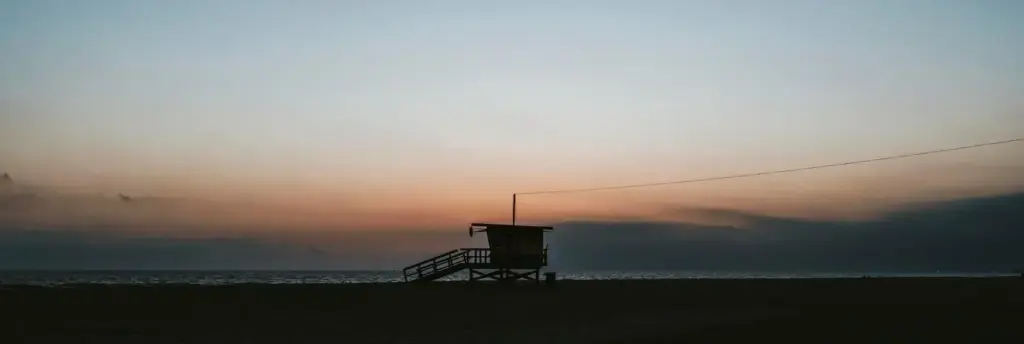
True dark adaptation unfolds slowly as photoreceptors recover. Give yourself thirty unrushed minutes with dim, red-forward light to let starlight reveal subtle shapes and edges. Silence phone screens with airplane mode and deepened brightness limits. If a bright beam resets your eyes, pause nonessential movement until acuity returns. Hydration, warm layers, and measured breathing also sharpen perception, reducing clumsy steps. Carry a red-lensed backup to prevent panic if a primary fails. Patience here pays dividends, turning darkness from obstacle into clarifying ally.

Marking Hazards with Low-Profile Beacons

Some hazards deserve a discrete marker: a dim chem light shielded with tape, a low-profile beacon hidden from the sea, or reflective cord placed inches from a snag. Color-code sparingly and remove everything on departure. Never create confusion for mariners or wildlife by leaving visible flashes near sightlines. Coordinate within your group before placing markers, documenting their locations and intended retrieval. Minimal, purposeful cues can prevent twisted ankles and chaotic retreats without turning a living coastline into a runway or noisy carnival.

Communications, Check-ins, and Emergency Protocols

Clear communication makes courage practical. Share an itinerary with one reliable person, set check-in times you will truly meet, and identify reception dead zones. Carry redundant tools: charged phone, power bank, whistle, and an appropriate radio for local terrain. Learn concise message formats that convey grid, condition, and plan without drama. In emergencies, calm brevity accelerates help. Debrief after every outing, updating what worked and what failed. Community habits formed tonight may guide a stranger to safety next week.

Before-Field Texts, Scheduled Pings, and Dead Zones

Send a pre-departure message stating who is going, where you will park, which trail you will take, and when you will turn back regardless of conditions. Schedule periodic pings that demand two-way confirmation, not emoji acknowledgments. If coverage drops predictably, name the blackout window and the location where service usually returns. Teach your contact when to escalate and which ranger office governs the site. Responsible transparency frees you to work quietly, while keeping a thread that tugs you home if plans unravel.

Dual-Channel Radios and Phonetic Clarity

Program primary and backup channels before leaving the vehicle, labeling handsets with call signs that make sense in wind and surf noise. Practice the phonetic alphabet and short, unambiguous phrases. Confirm line-of-sight limitations around headlands and towers, planning relays if necessary. Keep transmissions brief, friendly, and calm. Avoid shouting into mics; wind screens and measured distance from your mouth improve intelligibility. A tidy radio culture builds trust within mixed teams of observers, photographers, and volunteers who move at different paces near precarious edges.

Respecting Protected Sites and Community Access

Cliffside light stations are cultural beacons and ecological sanctuaries. Structures age, mortar loosens, and birds nest within crevices the public rarely sees. Treat fences, gates, and signage as guardians, not obstacles. Seek permissions where required and honor curfews that protect neighbors and maintenance crews. Keep sound low, beams restrained, and footprints gentle. Volunteer when possible; stewards remember respectful faces. By participating with humility, you ensure these windy thresholds remain welcoming for future observers who arrive with careful hands and wondering hearts.

Layering Systems for Cliff Microclimates

Start with a wicking base, add a breathable mid-layer, and finish with a windproof shell that resists spray. Pit zips and two-way zippers fine-tune heat without risky backpack gymnastics at the edge. A warm beanie and neck gaiter outperform bulkier hoods in gusts. Anticipate dew settling near dawn, chilling sweat-soaked fabrics; change layers before the exit. Keep a dry bag with spare socks and thin liner gloves. Comfort preserves judgment, letting you pause thoughtfully rather than rushing risky steps toward shelter.

Footwear, Traction, and Glove Grip

Select shoes with sticky rubber tuned for wet stone and compact soil, avoiding overly aggressive lugs that skitter on rock slabs. Microspikes can help on verglas but become treacherous on bare stone; use cautiously and remove when conditions change. Pair gaiters to block spray-chilled ankles. Choose gloves that maintain grip on rails, poles, and radios while insulating against wind. Test everything before field use, because numb fingers and unreliable footing compound at cliffs where balance, not bravado, keeps the night safely beautiful.
Sanopiradexo
Privacy Overview

This website uses cookies so that we can provide you with the best user experience possible. Cookie information is stored in your browser and performs functions such as recognising you when you return to our website and helping our team to understand which sections of the website you find most interesting and useful.