
After-Dusk Vigil at the Edge: Navigating Hazards with Confidence
Arriving After Sunset: Safe Approach Routes

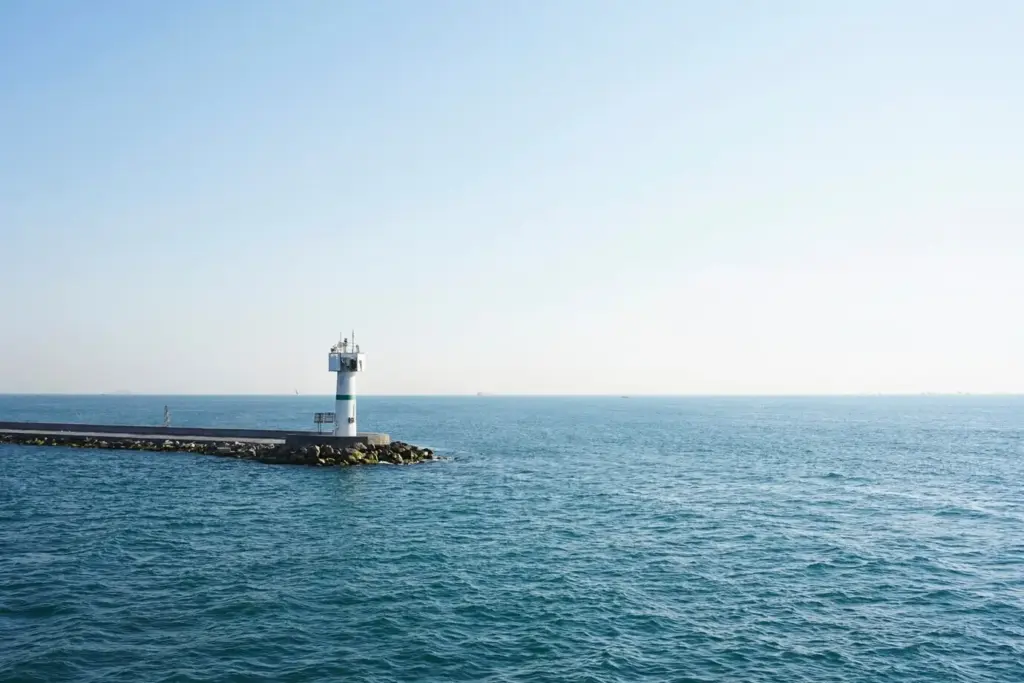
Edge Awareness and Footing on Unstable Ground
Using Red Light Without Losing Depth Perception
Red light preserves dark adaptation, yet it can flatten texture and hide subtle gradients that guard your ankles and life. Angle beams steeply downward and slightly ahead, feathering brightness with diffuser film rather than brute force lumens. Pair a momentary neutral flash for tricky steps, shielding with your palm to prevent cliff-edge glare. Speak your movements aloud near others so they can anchor visually. Remember, controlled, narrow spill preserves both night vision and the star-scattered enchantment that drew you here in the first place.
Micro-terrain Checks with Trekking Poles
Trekking poles become tactile sensors at night, probing for voids beneath turf or loose talus disguised by lichen. Test each new surface before shifting weight, and listen: hollow sounds or sudden crumble warn of hidden breakaways. Shorten poles near steep grades to keep elbows locked and shoulders stable against gusts. Rubber tips protect fragile stone and reduce ricochet noise that disturbs wildlife. If a probe dislodges gravel toward the edge, stop, reassess spacing, and reroute inland. Small, investigative movements prevent big, irreversible mistakes.
Slip, Trip, and Fall Prevention Drills
Before you reach exposed ground, practice micro-pauses, toe-heel placement, and deliberate weight transfers on safe terrain. Rehearse a shared stop word that freezes the group instantly without debate. Keep shoelaces double-knotted and loose straps taped to avoid nocturnal snags. Rotate a lead walker who calls hazards clearly and repeats confirmations. If someone stumbles, do not crowd; maintain distance until footing is reestablished. The objective is composure under pressure, trained through repetition, so coordination holds when wind, fatigue, and awe tug attention away.
Operational Lighting and Night Vision Protection

Headlamps, Beam Control, and Hooded Shades
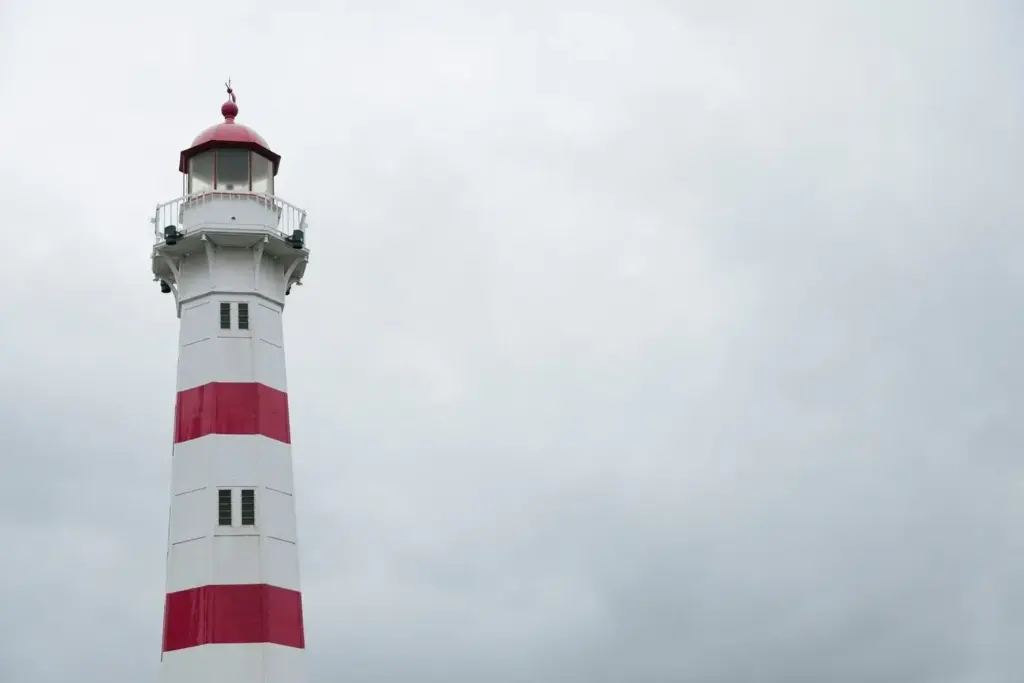
Starlight Acclimation and the Thirty-Minute Rule
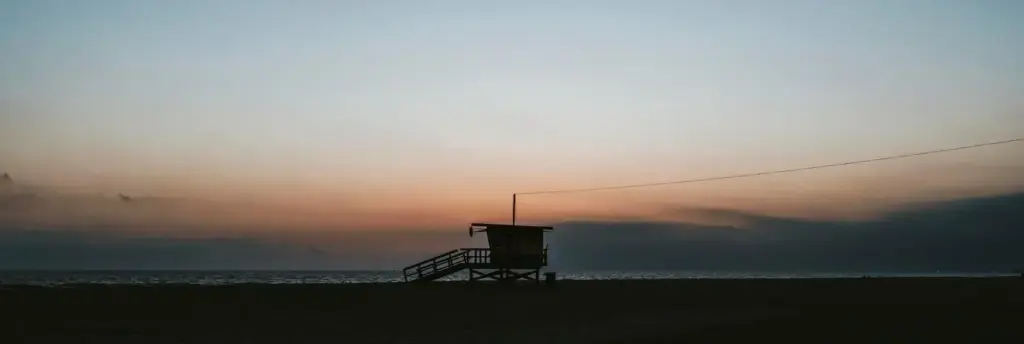
Marking Hazards with Low-Profile Beacons
Communications, Check-ins, and Emergency Protocols
Before-Field Texts, Scheduled Pings, and Dead Zones
Send a pre-departure message stating who is going, where you will park, which trail you will take, and when you will turn back regardless of conditions. Schedule periodic pings that demand two-way confirmation, not emoji acknowledgments. If coverage drops predictably, name the blackout window and the location where service usually returns. Teach your contact when to escalate and which ranger office governs the site. Responsible transparency frees you to work quietly, while keeping a thread that tugs you home if plans unravel.
Dual-Channel Radios and Phonetic Clarity
Program primary and backup channels before leaving the vehicle, labeling handsets with call signs that make sense in wind and surf noise. Practice the phonetic alphabet and short, unambiguous phrases. Confirm line-of-sight limitations around headlands and towers, planning relays if necessary. Keep transmissions brief, friendly, and calm. Avoid shouting into mics; wind screens and measured distance from your mouth improve intelligibility. A tidy radio culture builds trust within mixed teams of observers, photographers, and volunteers who move at different paces near precarious edges.

Respecting Protected Sites and Community Access
Layering Systems for Cliff Microclimates
Footwear, Traction, and Glove Grip
All Rights Reserved.