Starlight on the Tide: Your Seaside Astronomy Road Adventure
Tonight we set our compass to Dark-Sky Coastal Routes: planning astronomy road trips along the shore with intention, curiosity, and care. We’ll trace quiet byways beyond city glow, read moon phases with tide charts, and find safe pull-offs where waves hush and constellations bloom. Expect practical checklists, heartfelt stories, and respectful guidance for wildlife and communities. Bring a warm layer, a red headlamp, a map that shows more stars than streets, and share your questions so we can refine this journey together.

Mapping the Coastline by Starlight

Great seaside skies begin with thoughtful routing. Study light pollution maps where ocean horizons erase inland glare, mind seasonal fog, and plan nights around moonless hours. Align driving windows with falling tides for beach access, but always prioritize safety and local rules. Consider scenic lay-bys, lighthouses at appropriate distances, and high bluffs above persistent mist. We’ll balance spontaneous wonder with careful logistics, making every mile a gentle glide from dimming towns to deep darkness along the water’s edge.
Light domes shrink dramatically across open sea, yet coastal towns can still paint the horizon. Compare Bortle estimates with nautical charts and satellite light maps, noting sheltered coves where cliffs block glow. Favor stretches with minimal shoreline development and wind patterns that sweep haze offshore. Record prospects at dusk, return after midnight, and keep notes on humidity, clarity, and horizon transparency to refine your next night drive.
A waning crescent might welcome dawn photography, while a new moon can unveil the Milky Way arcing above gentle surf. Match lunar darkness with falling tides to widen safe walking areas, yet beware of sneaker waves and shifting sandbars. Print tide tables, cross-check with reputable apps, and set turnaround alarms. Leave extra time to relocate if fog rolls in, so your plan remains flexible, safe, and star-focused.

Gear That Laughs at Salt, Sand, and Night

Coastal astronomy demands rugged, moisture-aware equipment and a packing style that anticipates wind, spray, and chill. Choose sealed binoculars, corrosion-resistant tripods, dew heaters, and microfiber cloths stashed in dry bags with silica gel. A red headlamp with adjustable brightness preserves vision and protects wildlife. Power banks love insulation; cables deserve weatherproof pouches. Simplify setups so you can relocate quickly between fog banks, embracing the shoreline’s shifting moods without sacrificing comfort or the quality of your stargazing experience.

Coastal Phenomena That Dance with the Night
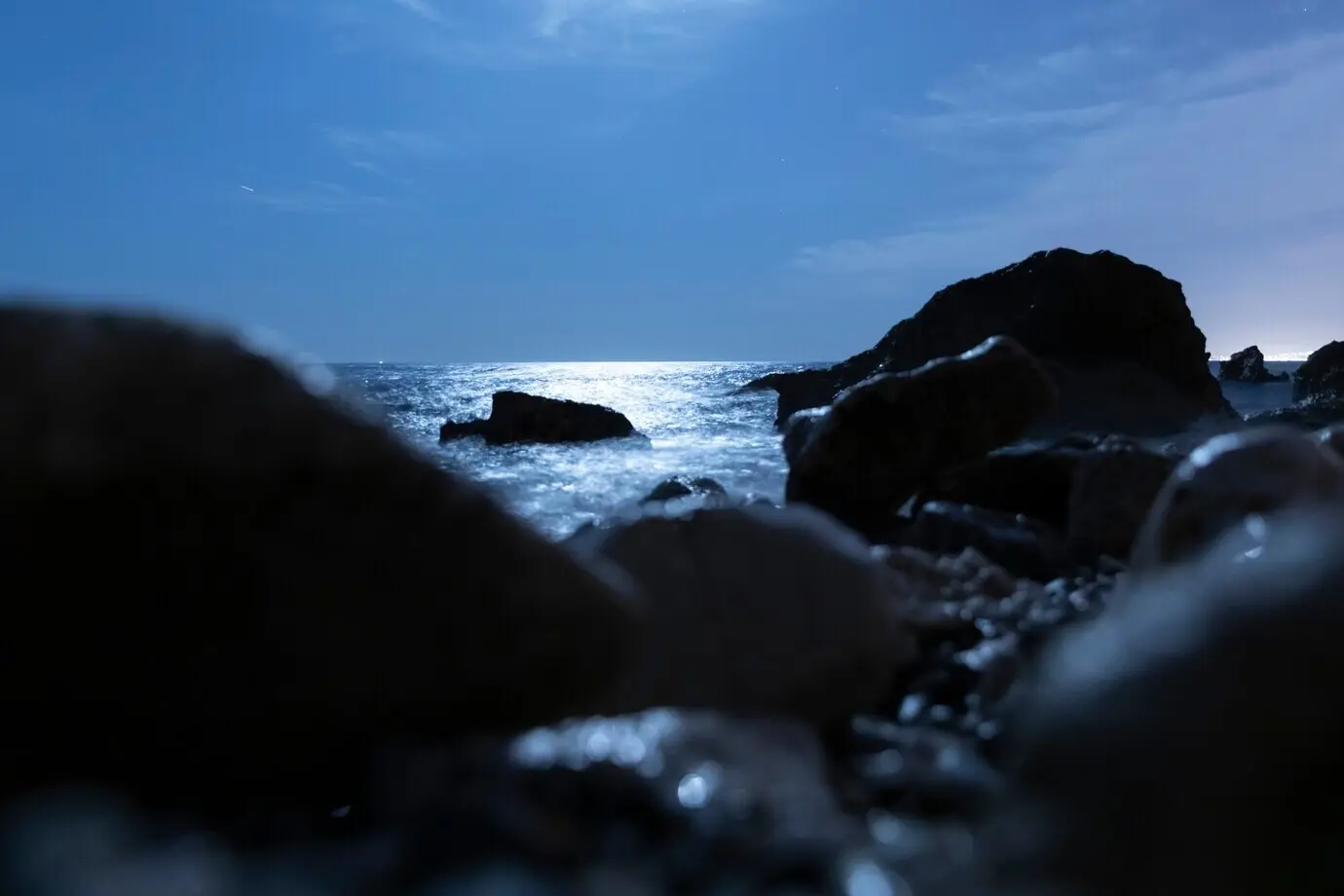
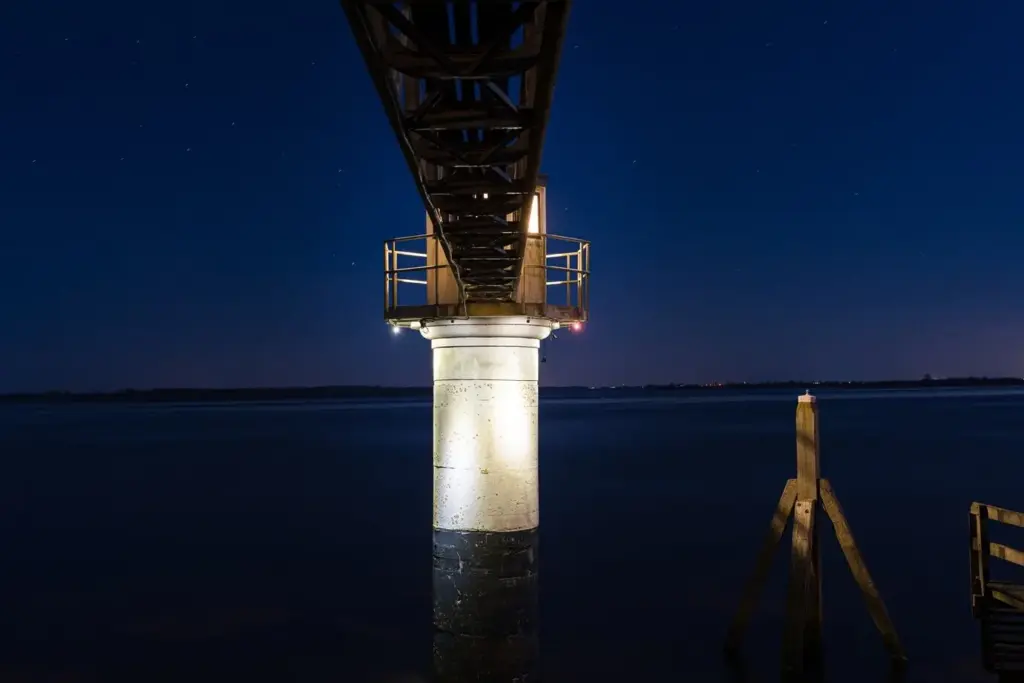
The shoreline gifts rare pairings: bioluminescent waves whisper beneath meteor showers, lighthouse beams score slow arcs through airglow, and sea stacks frame constellations like ancient observatories. Watch for zodiacal light tilting above calm horizons and, at higher latitudes, aurora shimmering beyond inky swells. Fog can sculpt dramatic halos around distant ships, while wind carves ragged clarity between mist belts. We’ll learn to anticipate these intersections, crafting nights where sea and sky converse in quiet, unforgettable dialogue.

Safety, Access, and Gentle Footprints

Night beaches can turn quickly from serene to serious. Tide swings, unstable cliffs, and sneaker waves demand focus, while protected habitats require deep respect. Research regulations, permits, and seasonal closures; carry a printed map, whistle, and first-aid essentials. Choose sturdy boots, avoid wet rocks, and tell someone your plan. Park legally, close gates quietly, and keep conversations hushed. With thoughtful habits, your adventure safeguards both your group and the fragile, living coastline beneath the galaxy.

Reading Coastal Weather and Hazard Signs

Marine forecasts speak a different language: swell periods, fog advisories, and rip current risks. Learn their rhythm, cross-check two sources, and accept a no-go decision gracefully. Scan access boards for local hazards, observe wrack lines to judge recent tides, and never turn your back on the ocean. A lightweight inflatable vest near treacherous inlets and a conservative buffer from cliffs can convert ambition into longevity, ensuring many more nights beneath sparkling skies.

Working with Rangers, Fishers, and Locals

Respectful conversations unlock wisdom: a fisher’s note about rogue waves, a ranger’s reminder about nesting zones, a neighbor’s tip for fog-free overlooks. Arrive with humility, ask concise questions, and listen attentively. Offer to dim lights or move if requested. Share a printed plan and your pack-out pledge. These relationships transform isolated trips into shared caretaking, building a community that protects access while welcoming stargazers who travel softly and leave shorelines brighter in spirit, not illumination.

Quiet Footprints After Dark

Sand remembers everything, and so do the creatures that move across it. Stick to durable surfaces, avoid dune grasses, and step around tide pools. Keep snacks sealed to deter wildlife encounters, and pack every scrap out. Photograph without flash, mute phone sounds, and choose whisper-level voices. If you discover sensitive sites, resist geotagging publicly. Your restraint today safeguards tomorrow’s wonder, allowing future travelers to find darkness intact, breathing evenly beneath the same ancient stars.

Story-Driven Itineraries along Beloved Shores
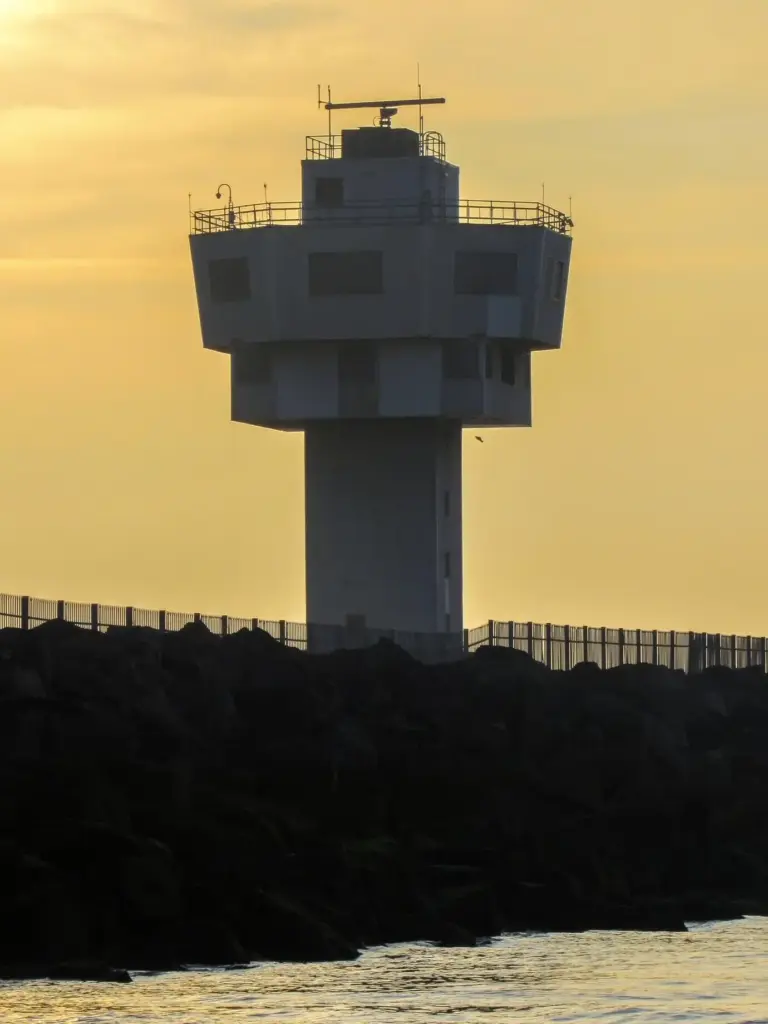
Good routes feel like narratives with rising action, surprise, and quiet resolution. Consider arcs that begin near a harbor, crest at a secluded overlook, and end watching dawn paint cirrus above a calming tide. Examples might weave barrier islands, rugged headlands, and low-glow fishing villages. Build contingencies for fog retreats inland. Along the way, collect sensory details—kelp scent, distant buoys, meteor trails—to later share, helping others craft journeys that fit their own coastlines and rhythms.

A Serendipitous Meteor Night beside the Dunes
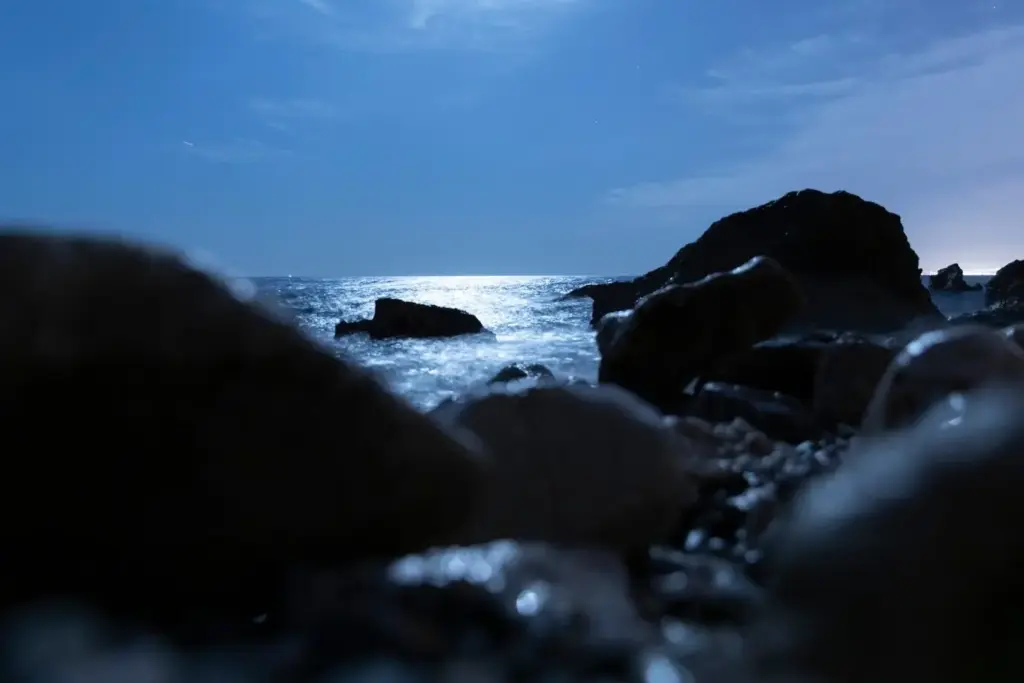
We aimed modestly for a few Perseids and instead counted dozens, their trails curling above dune grass swaying like metronomes. A fisherman waved from a red-lit cooler, and we traded sky notes during lulls. The best memories arrived unforced: thermos steam, blanket crunch, and distant surf applause after each bright streak. Write your own small surprises into plans, leaving space for magic to arrive unannounced yet perfectly on time.

Fog Chase That Ended in a Perfect Window

A stubborn marine layer sealed the coast, so we leapfrogged inland ridges, watching for stars to prick through gray. One turnout revealed a narrow portal: Milky Way over glowing fog, like galaxies contemplating tide. Ten careful minutes, three steady exposures, and gratitude replaced frustration. Keep multiple micro-destinations ready, accept short victories, and remember that coastal astronomy favors patient improvisers who treat weather not as enemy, but as an ever-shifting collaborator.

Capturing and Sharing the Night Responsibly

Photography at the water’s edge rewards patience and restraint. Compose with foregounds that speak softly—driftwood, tide lines, anchored boats—while guarding sensors from spray. Favor exposure stacks over glaring lights, and keep colors honest to the scene. Back up to dual cards, rinse tripods with fresh water, and air-dry straps. When posting images, balance inspiration with protection: omit sensitive locations, spotlight ethics, and invite newcomers to learn the shoreline’s rules before chasing its shining secrets.

Compositions That Balance Horizon Glow and Surf

Ocean horizons frequently carry a faint city glow; let it shape your frame rather than overpower it. Angle slightly away from the brightest dome, use foreground silhouettes for depth, and reserve longer exposures for calm water. Bracket discreetly, then blend thoughtfully. Include negative space so constellations breathe, and resist the urge to over-saturate. Your aim is truth with poetry, letting waves whisper while stars do the singing.

Managing Condensation, Spray, and Salt Crystals

Carry desiccant packs, a gentle blower, and multiple clean microfibers in sealed bags. Use lens hoods and shields to divert mist, and position slightly upwind when possible. Activate dew heaters early rather than urgently late. After each session, lightly rinse tripod legs, wipe clamps, and dry zippers before storage. A ten-minute care ritual prevents days of frustration, protecting focus rings, coatings, and that quiet confidence when your next exposure begins flawlessly.

Ethical Sharing: Locations and Sensitive Sites

Inspiring others does not require pin drops to fragile rookeries or turtle nesting beaches. Consider broad regional descriptions, discuss timing and etiquette, and emphasize safety. Praise rangers and local guidelines, linking to official resources. Invite private messages for nuanced advice while filtering requests through conservation priorities. When we normalize mindful sharing, our galleries brighten hearts without pressuring habitats, ensuring the night remains generous, resilient, and welcoming to future, careful travelers.

Community, Checklists, and Ongoing Learning

Sustainable coastal stargazing thrives on preparation and connection. Create living checklists shaped by trip debriefs, trade field notes with shoreline neighbors, and subscribe for alerts about space weather, closures, and new dark turnouts. Celebrate small wins—one meteor, a clear horizon, a safe return. Ask questions, share sky quality readings, and post responsible trip reports. Together we refine routes, protect access, and keep these salt-kissed observatories open for everyone who seeks quiet stars above patient waves.

A Pre-Departure Checklist That Actually Gets Used

Start with essentials—red light, layers, first aid, tide tables, offline maps—then add coastal specifics like silica gel, spare socks, lens heaters, and reflective markers. Print it, laminate it, and tape it to your trunk. Check items aloud during sunset setup. Leave a line for three personal intentions: one safety, one learning, one joy. A checklist is not bureaucracy; it is a promise to your future self under changing skies.

Building a Travel Log for Sky and Shore

After each outing, jot moon age, limiting magnitude, wind direction, sea smell, and any wildlife sightings. Sketch horizon obstacles and mark safer paths for return visits. Note where fog parted, which lay-bys filled, and how your layers performed. In a season, patterns emerge that guide better choices. Your log becomes a lighthouse in paper form, illuminating the next drive before the engine turns and constellations rise.

Sanopiradexo
Privacy Overview

This website uses cookies so that we can provide you with the best user experience possible. Cookie information is stored in your browser and performs functions such as recognising you when you return to our website and helping our team to understand which sections of the website you find most interesting and useful.